Common Questions

Questions patients ask most often.

Every case is different, but many concerns are shared. The answers below address the questions we hear most often. For advice specific to your hair loss pattern, donor capacity, and goals, a private video consultation is the best place to start.
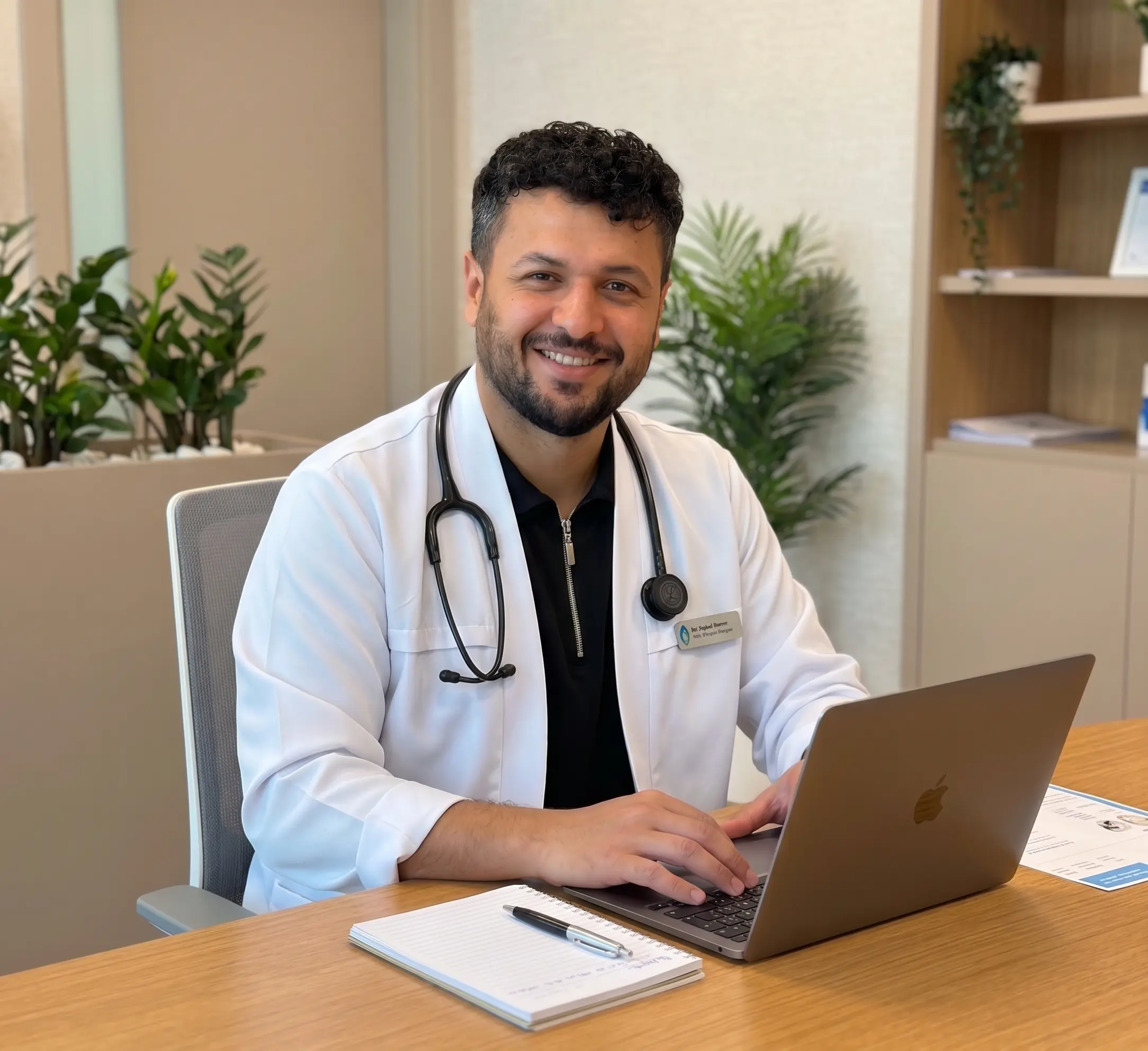
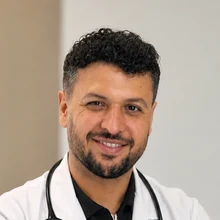
Dr. Mesut Demir — Pure Line
M
Dr. Mesut Demir
Co-Founder & Medical Director
Consult

Quick answer

Hair transplantation is elective surgery, and there is no single plan that fits everyone. Suitability, technique, graft planning, medicines, recovery and expected results vary; these answers are general information and final decisions require an individual clinical assessment.

The Procedure

The day begins with a final review of your medical plan, donor area, hairline design, and expectations. Dr. Mesut Demir leads the medical planning and supervision of the case, while Canan Yaylacı and our fixed clinical team help maintain the surgical continuity and graft-care standard throughout the day. The procedure includes preparation, anaesthesia, donor-area work, graft care, recipient-area preparation, placement according to the plan, and post-procedure instructions. We keep one patient on the schedule so the clinical day is not divided between multiple cases.
A full FUE session at Pure Line typically takes 6 to 8 hours, depending on the graft count. Because we treat one patient per day, there is no rush. Our core team works at a surgical pace, not a commercial one. We do not split procedures across two days unless there is a clinical reason to do so.
PureSoft is our comfort protocol for the first local-anaesthetic step. A needle-free pressure device delivers the initial dose before fine-gauge needles complete the anaesthesia. Some patients may find this first step easier, but pressure, pinching or discomfort can still occur and individual experience varies.
No. FUE is performed under local anaesthesia at Pure Line; general anaesthesia is not our standard approach for hair transplantation. The PureSoft protocol is used for the first anaesthetic step, while sensation and comfort vary. Any additional medication or monitoring is considered individually.
Graft count varies significantly based on the extent of your hair loss, donor density, and the coverage goal. The number is determined during your consultation. We will never quote a graft count before assessing your scalp. Rather than pushing for maximum numbers, we focus on the exact amount needed for a natural and sustainable result.

Preparation & What to Expect

The two primary requirements are stable hair loss and sufficient donor density at the back and sides of the scalp. Age also matters. We generally prefer to wait until hair loss has stabilised, which typically happens in the mid to late twenties. Your online consultation will include a full candidacy assessment based on photos and your medical history.
We will send you a detailed, individual pre-operative protocol. Tell us about every prescription medicine, over-the-counter product, supplement, and herbal product you use. Do not stop or change an anticoagulant (blood thinner), antiplatelet or anti-inflammatory medicine — or any other treatment — solely because of this page. Any change must follow a plan agreed with the surgical team and, where applicable, the clinician who prescribed it. We will also confirm instructions on alcohol, hair length, rest, and what to wear on the day.
Do not stop or change any medicine based on a generic timetable. Tell us about every prescription medicine, over-the-counter product, supplement, and herbal product you use, including anticoagulants, antiplatelet or anti-inflammatory medicines, finasteride, and topical or oral minoxidil. Your surgical team will review the list, and any change should follow an individual plan agreed with the clinician who prescribed it, where applicable.

Recovery & Post-Op Care

You will leave the clinic the same day with a light bandage around the donor area. The transplanted area will be open. Mild swelling around the forehead is normal during the first 2 to 3 days. You will be given a complete Medical Kit including specialised aftercare products and written care instructions. Most patients feel well enough to walk comfortably the following morning.
Shock loss is temporary shedding that can affect transplanted or nearby existing hair after surgery. It commonly appears during the first several weeks and can be part of recovery, but timing and regrowth vary. Shedding alone does not confirm whether a transplant has succeeded or failed. Contact the clinic if it is severe, persistent, or accompanied by other unexpected symptoms.
For desk based or remote work, most patients return within 3 to 5 days. For physically demanding work, we recommend 10 to 14 days. The visible signs of surgery fade within 10 to 14 days. If discretion is important, a loose hat can be worn after day 10.
Light walking is fine from day 2. We advise avoiding any activity that raises your heart rate significantly for the first 10 days. Swimming and contact sports should be avoided for 4 weeks. For heavy weightlifting and intense cardio, wait 2 to 3 weeks. Sweating excessively in the early days can irritate the transplanted grafts before they root.
A loose, clean hat can usually be worn from around day 10, once the grafts have settled and the early scabs have cleared. Avoid tight caps or anything that presses or rubs on the recipient area before then, and follow the specific timing your team gives you.
Small scabs around the grafts are normal in the first week. With the gentle washing routine we show you, they usually soften and fall away on their own by around day 7 to 10. Never pick or scratch them, as this can disturb a graft.
Some pinkness or redness in the recipient area is a normal part of healing. It usually fades within about one to three weeks, though it can last a little longer on fair or sensitive skin. Redness that is worsening, or comes with swelling or discomfort, should be reported to the clinic.
Most light daily activities can resume within a few days. Strenuous exercise, swimming, heavy sweating, alcohol and direct sun should be avoided in the early weeks. Your written aftercare plan gives day-by-day guidance, and you can contact the team any time you are unsure.

Medications & Hair Loss Treatment

Tell the clinical team whether you use topical or oral minoxidil, why you use it, and who prescribed it. Whether a temporary pause is appropriate depends on the product, dose, reason for treatment, procedure, and your health. Do not stop or restart minoxidil solely because of a generic pre-operative timetable; follow the individual plan agreed with your clinical team and, for prescribed treatment, the clinician who prescribed it.
Finasteride may be continued for some patients, but the plan should be confirmed individually. Tell the clinical team which product and dose you use and why you use it. Do not start, stop, or change prescribed finasteride solely because of this page; the surgical team will coordinate with the clinician who prescribed it if a change is being considered.
Some patients take a single compounded capsule that combines finasteride with oral minoxidil. Because its ingredients cannot be adjusted independently, do not stop or change it on your own. Tell us exactly what you take and at what dose; the clinical team will review it and, if a change is being considered, coordinate with the clinician who prescribed it.

Timeline & Results

Hair growth follows a biological cycle. New growth typically emerges at 3 to 4 months. Most patients see significant density at 6 to 8 months, with full maturation of texture, thickness and coverage at 12 to 14 months. Crown cases can take up to 18 months to fully mature. We schedule follow up consultations at 1, 3, 6, 12 and 18 months post procedure so we can monitor and document your progress.
Transplanted donor hair can provide long-lasting growth, but no clinic can guarantee lifetime growth or the same outcome for every patient. Some grafts may not grow, and the surrounding non-transplanted hair can continue to thin over time. Donor characteristics, health, and ongoing hair loss can change the long-term appearance, so some patients may need medical management or further treatment.
Procedural consistency is supported by a one-patient-per-day schedule, a fixed clinical team, a defined protocol, and medical direction by Dr. Mesut Demir. Canan Yaylacı supports surgical continuity and graft-care coordination, followed by documented aftercare.

Travel & Costs

Yes. The majority of our patients travel from Europe, the UK, the Gulf and North America. We provide comprehensive support including airport transfer, accommodation coordination, a pre op teleconsultation and post op remote follow up. Our patient relations team will handle all logistics so that the experience is as seamless as possible.
A minimum of 2 nights is sufficient for us. However, if you have the time, we highly recommend staying for 3 nights to ensure a more comfortable and relaxed process. Many international patients extend their stay even further to combine their visit with exploring one of the most extraordinary cities in the world.
Our package can include the procedure, hotel coordination, airport transfers, PRP when indicated, aftercare products, and remote follow-up. Your coordinator will explain exactly what is included before you confirm. All fees are quoted as a single clear price with no hidden costs.
Prices change over time and packages can cover different services, teams and follow-up. Ask for a current written quote that identifies what is included, who plans and performs each surgical step, how many patients are scheduled that day, and how complications and follow-up are handled. A headline price is not enough to compare clinical care.
We quote one all-inclusive price after a photo-based medical assessment — never before. The cost depends on your hair loss pattern, donor capacity, and the surgical plan defined for your case, so publishing a fixed list would mean guessing. Your quote covers the procedure with our fixed clinical team, PureSoft anaesthesia, hotel coordination, transfers, aftercare products, and structured follow-up at 1, 3, 6, 12 and 18 months. All fees are quoted as a single clear price with no hidden costs.
Operating costs, exchange rates, package design and clinic structure can all affect price. Cost alone does not prove quality or lack of quality. Compare current written quotes together with authorisation scope, who performs each step, daily patient volume, informed consent, complication planning and follow-up.
Hair transplantation abroad can be planned safely for suitable patients, but no surgery is risk-free and accreditation does not guarantee an outcome. Safety depends on your health, the credentials of the clinician and facility, infection-control standards, travel timing, and access to follow-up if a complication occurs. Before travelling, discuss your medical history, medicines, and travel plan with your healthcare professionals, and confirm who will provide aftercare.

About Pure Line

A hair transplant needs focus, time, and consistency. By treating one patient per day, we keep the full clinical schedule organised around one case: one medical plan, one fixed team, one patient. This protects donor planning, graft care, and aftercare without the pressure of overlapping procedures.
The difference is structural. Pure Line is built around one patient per day, doctor-led medical planning, Canan Yaylacı's 14 years of FUE experience, and a fixed clinical team working under one consistent protocol. We do not use rotating staff, freelance teams, or overlapping surgery schedules.
In surgery, complacency is the enemy of excellence. The Pure Line Academy is our internal quarterly training program. Every 90 days, our entire core team stops to train together. We review current techniques, practice precision, and advance our standards. This ensures our clinical standard continues to develop — and that every patient receives care from a team that is actively improving, not simply experienced.
Yes. We have a small group of previous patients who have volunteered to speak with prospective patients. This is not a testimonial programme. It is simply an honest conversation. Ask us during your consultation and we will make the introduction.
Still have questions?

Your question deserves
a direct answer.

Send your photos and questions. We'll review your case honestly and explain what looks realistic before any decision is made.

Clinical context

Clinical context and evidence

Dr. Mesut Demir, M.D., is the co-founder and medical director of Pure Line. This page describes general clinical considerations; individual suitability, risks, alternatives and expected outcomes require a personal assessment.

Meet Dr. Mesut Demir and view his background →
Selected evidence

The medical information on this page is provided for educational purposes and does not replace a personal consultation. Treatment suitability can only be determined after an individual assessment.

Request a Case Review
WhatsApp